
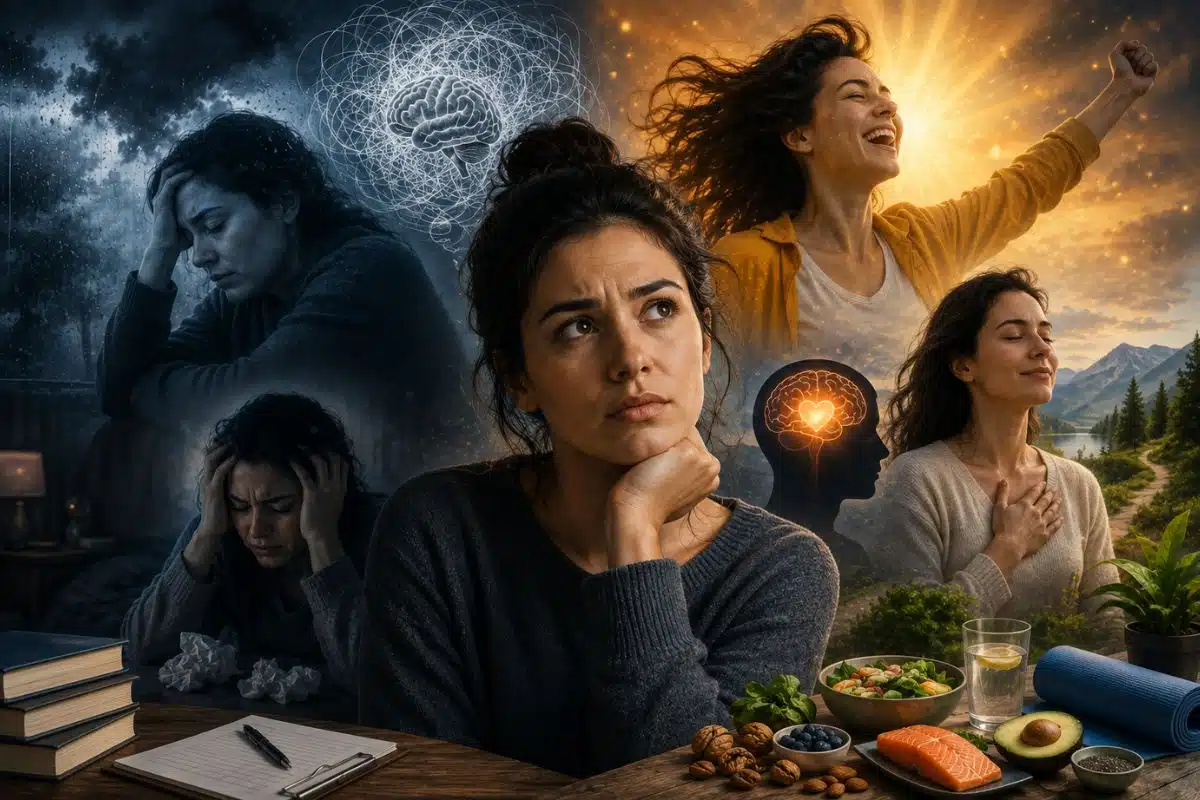
I have so many patients come into my office and say, “I just don’t feel like myself anymore.” Sometimes it seems like ongoing sadness, emotional fatigue, irritability, or mood swings that make everyday living more difficult than it should be. Other times, people may notice changes in sleep, energy, concentration, or motivation, but they don’t recognize that these may be indicators of mood problems in adults.
In fact, about 7% of U.S. adults experience depression each year, and millions also live with bipolar disorder and other emotional health disorders.
To understand mood disorders, first recognize that these emotional swings are not just “bad moods” or personality faults.
What Are Mood Disorders?
Mood disorders are mental health illnesses that mainly affect emotional state and general mood management. These illnesses are more than just temporary sadness or transitory stress. Instead, there are constant shifts in emotions that prevent a person from functioning well in daily life, relationships, physical health, and employment.
Global mental health research shows that roughly 1 in 7 individuals in the world are living with a mental health issue, with depression and anxiety among the most frequent. More recent research has also demonstrated a considerable rise in mental health disorders over the past decade, especially during the COVID-19 epidemic.
Understanding Mood Disorders: Why They Happen
They usually arise from a mix of biological, psychological, and environmental causes.
Some of the most common contributing factors include:
- Family history of depression or bipolar disorder
- Chronic stress or trauma
- Hormonal imbalances
- Poor sleep patterns
- Substance or alcohol use
- Chronic medical conditions
- Brain chemistry imbalances
- Major life changes or grief
Common Types of Mood Disorders
It’s vital to note that these illnesses can manifest extremely differently from person to person.
Major Depressive Disorder
Major depression is the leading cause of disability in adults, impacting around 280 million individuals globally. It includes continuous sadness, loss of motivation, emotional numbness, exhaustion, and difficulty enjoying life.
Symptoms often include:
- Low energy
- Hopelessness
- Difficulty concentrating
- Sleep problems
- Appetite changes
- Feelings of guilt or worthlessness
- Loss of interest in activities once enjoyed
For diagnosis, symptoms typically last at least two weeks or longer.
Persistent Depressive Disorder (Dysthymia)
It’s a long-term, low-grade depression that can go on for years. People commonly report feeling emotionally “flat” or being in a state of chronic exhaustion.
Since symptoms take time to emerge, many adults feel this is just part of their personality or lifestyle.
Bipolar Disorder
Bipolar disorder consists of episodes of depression and episodes of mania or hypomania. Bipolar disorder affects approximately 37 million people globally, including 3.8 million teenagers.
During manic episodes, someone may experience:
- Increased energy
- Reduced need for sleep
- Racing thoughts
- Impulsive spending or decisions
- Elevated confidence
- Rapid speech
- Irritability or agitation
Such emotional highs are commonly followed by depressive falls, making the disease particularly disruptive.
Seasonal Affective Disorder (SAD)
Some people suffer from seasonal depression. This happens mainly in the fall and winter seasons when there is less sunlight.
Substance-Induced Mood Disorders
Alcohol, recreational drugs, certain medications, and substance abuse can also lead to mood symptoms that look like depression or bipolar illness.
Disruptive mood dysregulation disorder (DMDD)
Primarily affects children and adolescents with frequent angry outbursts and irritability out of proportion to situations. This diagnosis helps to differentiate persistent irritability from youth bipolar illness.
How Mood Disorders Affect Daily Life
Mood disorders can affect:
- Relationships and communication
- Parenting and family life
- Job performance and productivity
- Memory and concentration
- Physical energy levels
- Sleep quality
- Immune health
- Stress tolerance
Headaches, digestive disorders, chronic weariness, high blood pressure, and, with time, increased inflammation in the body can also be caused by chronic emotional stress.
How Mood Disorders Are Diagnosed
Diagnosis is usually a thorough examination of emotional symptoms, medical history, sleep patterns, stress levels, and family history.
In many cases, I also evaluate:
- Thyroid health
- Hormonal imbalances
- Vitamin deficiencies
- Sleep disturbances
- Lifestyle habits
- Substance use
- Trauma history
You want to take a holistic approach, since occasionally mental health issues might cross over with physical symptoms.
Mood Disorder Treatment Options
The best treatment for mood disorders varies depending on the individual and the severity of symptoms and underlying reasons.
Therapy
Psychotherapy is still one of the most effective therapies for mood disorders. Cognitive Behavioral Therapy (CBT), trauma therapy, or supportive counseling can help people understand emotional patterns better and develop healthier coping skills.
Medication Management
For some people, medicine can be quite helpful to get emotional stability, sleep, anxiety, and depression symptoms. Medication choices always have to be individualized and monitored closely.
Lifestyle Support
Daily habits strongly influence emotional well-being. I often discuss:
- Sleep optimization
- Nutrition
- Stress management
- Exercise and movement
- Alcohol reduction
- Nervous system regulation
These foundational habits support long-term recovery and emotional resilience.
Holistic and Integrative Care
At the Wellness Institute of Southern Nevada, I believe mental health care should address the whole person — mind, body, and lifestyle. Sometimes, advanced lab tests, dietary support, supplements, and alternative therapies can also aid in healing.
When to Seek Help
Seek professional help if you’re experiencing:
- Persistent sad, anxious, or empty feelings
- Loss of interest in activities you once enjoyed
- Significant changes in sleep or appetite
- Difficulty concentrating or making decisions
- Thoughts of death or suicide
- Symptoms interfering with work, relationships, or daily functioning
About 15% of children and adolescents develop mental problems, so if you’re a parent who sees troubling symptoms in your child, early intervention is key.
Start Your Healing Journey with Dr. Shahrnaz Mashkoor
Dr. Shahrnaz Mashkoor, DNP, PMHNP-BC, FNP of the Wellness Institute of Southern Nevada, believes mental health care should be compassionate and personalized and is dedicated to providing evidence-based treatment as well as lifestyle, nutrition, and emotional wellness support. If you are depressed, anxious, bipolar, or feeling emotionally exhausted, the correct treatment can help you feel more balanced, stable, and in touch with yourself again.
Frequently Asked Questions
Q: What are the main types of mood disorders?
A: Major mood disorders include major depressive disorder, bipolar disorder (I, II, and cyclothymic), persistent depressive disorder (dysthymia), seasonal affective disorder, premenstrual dysphoric disorder (PMDD), and disruptive mood dysregulation disorder (DMDD). The most common are depression and bipolar disorder, which affect an estimated 280 million and 37 million individuals globally, respectively.
Q: What are common mood disorder symptoms?
A: Common symptoms of mood disorders include prolonged feelings of melancholy or hopelessness, loss of interest in enjoyable activities, major changes in sleep patterns (insomnia or oversleeping), changes in appetite and weight, exhaustion, problems focusing, feelings of worthlessness or guilt, and suicidal thoughts or thoughts of death.
Q: What causes adult mood disorders?
A: Adult mood disorders are caused by a combination of factors: biological (neurotransmitter imbalances, abnormalities in brain structure), genetic (40% increased risk with a family history), environmental (trauma, chronic stress, significant losses), hormonal changes, and certain medical conditions or medications.
Q: What is the most effective mood disorder treatment?
A: Treatment for mood disorders usually involves a combination of medication (antidepressants, mood stabilizers, or antipsychotics) and psychotherapy (CBT, DBT, or interpersonal therapy). This combined technique will work in 60-80% of folks. In treatment-resistant situations, TMS, ECT, or other advanced treatments can be quite beneficial.
Q: Are mood disorders genetic?
A: Yes, mood problems have large hereditary components. If you have a first-degree relative with a mood disorder, you are roughly 40% more likely to have one yourself. Twin studies indicate strong inheritance. But genes aren't destiny – environmental circumstances, life events, and stress all have a critical impact.